ADVERTISEMENT
What Does Home Insurance Not Cover? Key Gaps Explained
Does home insurance cover every possible issue that might arise, or doesn't it? Many homeowners discover, after something goes wrong, that their policy doesn't stretch as far as they assumed. From natural disasters to day-to-day damage, there are several areas that basic home insurance often excludes, and some of them can be pretty costly if ignored.
So what exactly falls outside the scope of a standard policy? Here's a detailed breakdown of what’s commonly left out and why it matters.
Flood Damage: A Common Risk With No Standard Coverage
Flooding isn't just a problem in coastal areas. Heavy rains, clogged drainage systems, or even melting snow can cause water to seep into homes. Still, flood damage is not included in most basic home insurance policies. If water enters your home from outside due to natural causes, repairing walls, floors, or furniture will typically come out of your pocket unless you've purchased separate flood insurance.
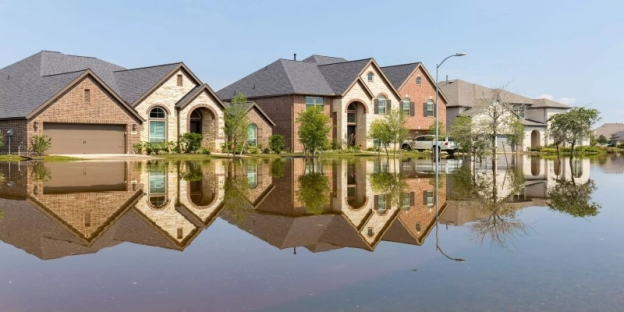
Many homeowners discover this limitation only after severe weather strikes. A policy from the National Flood Insurance Program or a private insurer is often the only way to secure coverage in this area.
Earthquakes And Ground Movement: Separate Protection Required
Most basic plans don’t include protection against earthquakes, landslides, or sinkholes. Even if you live in a region where earthquakes aren’t frequent, sudden ground shifts can still cause structural damage.
Cracked foundations, buckled walls, or damaged driveways caused by earth movement are excluded unless you have added an endorsement specifically for it. In areas where seismic activity is more prevalent, earthquake insurance is typically offered separately and should be taken seriously.
Sewer Backups: Messy But Not Covered
Sewer backups aren't only unpleasant—they're also expensive to clean and repair. Whether caused by tree roots, ageing pipelines, or an overwhelmed municipal system, these backups often lead to water damage, ruined possessions, and a long restoration process. However, unless you've added specific sewer or drain backup coverage to your plan, the costs will likely fall entirely on you.
Mould and Mildew: Long-Term Problems Aren't Protected
Mould often grows slowly behind walls, under floors, or in dark, damp areas. Since it takes time to develop, insurance providers see it as a maintenance issue rather than an accident. Basic home insurance policies typically only cover mould if a covered event, such as a burst pipe, causes it to occur. If it's the result of long-term moisture buildup, it won't be included.
For example, if a small roof leak causes hidden mould growth over several months, your insurer might deny the claim based on a lack of maintenance, rather than the actual damage.
Infestations: Rodents, Termites, And Pests
Whether it’s termites chewing through beams or raccoons damaging your attic insulation, pest problems are another area that’s typically excluded. These are viewed as preventable, so most policies don’t cover removal or repairs.

Homeowners need to stay proactive with inspections and treatments. Once damage is done, it’s rarely something insurers will reimburse.
Expensive Items: Limited Coverage For High-Value Belongings
Basic policies typically have set limits on valuables, such as jewellery, electronics, and collectables. A policy might cover belongings up to a certain amount, but only a small portion of that amount will apply to high-value categories.
If you own diamond rings, luxury watches, or rare art, you’ll need to schedule them separately with detailed appraisals. Otherwise, if they’re lost or stolen, you may only recover a small fraction of their worth.
Where Are The Gaps In Protection?
Let's examine two additional key areas where standard coverage often falls short.
Home Businesses Aren’t Treated Like Personal Property
Running a business from your home introduces a new level of risk. Most standard policies won’t protect business equipment, inventory, or client-related liabilities. If a delivery driver trips on your front steps while bringing business supplies, your insurer could deny the liability claim because it’s business-related.
For those working from home full-time, adding a business rider or buying a separate business insurance plan helps close that gap.
Damage From Poor Maintenance Isn’t An Accident
If a water heater fails due to rust or the roof caves in after years of leaks, insurance providers are likely to deny the claim. Damage that occurs over time due to neglect or deferred maintenance won't be covered. That includes:
- Rotting wood
- Corroded pipes
- Warped window frames
- Loose shingles
Insurance is intended to cover sudden, unexpected events, not gradual wear and tear. Homeowners are expected to keep up with inspections and repairs.
What About Pools, Trampolines, And Similar Features?
Some features on your property bring added responsibility. Trampolines, treehouses, and swimming pools are fun, but they increase the risk of accidents. Because of this, some insurers won't include liability coverage for injuries unless safety precautions—such as fences or netting—are in place.
In some instances, your insurer might increase your premiums or even exclude these structures from your policy altogether. It's essential to inform your insurance provider if you're adding anything that could increase liability risk.
Acts That Insurance Doesn’t Touch
There are a few categories where insurers rarely provide coverage. These include:
- Intentional damage caused by the homeowner or a household member
- War-related damage or military actions
- Government seizure of property
- Nuclear accidents
- Identity theft or cyber attacks on home Wi-Fi networks or personal data
Each of these is usually listed under “general exclusions” in policy documents. While some providers now offer identity theft recovery as an add-on, it’s not part of a basic plan.
It’s Easy To Assume More Than You Have
Home insurance policies can feel comprehensive—until something happens. The key issue is that many standard policies are designed for average risks, rather than specific or high-impact situations.
Before relying on your plan, review the fine print or consult with your insurance provider to clarify what is and isn't covered. Think about the features of your home, the location, and how you use your property. If any of those factors fall outside the standard setup, you may need to